
The CTF Consortium is a collaborative, translational research model bringing together leading physicians and researchers across Pittsburgh.
As the only research initiative in Allegheny County focused exclusively on translational research across all forms of dementia, the CTF Consortium leverages complementary expertise to accelerate results and maximize donor investment, generating up to three times the impact of traditional funding models!
CTF has learned that many novel research ideas fail not because they lack merit, but because they lack the early funding needed to produce the preliminary data required for National Institute of Health (NIH) grant applications. The CTF Consortium provides critical seed funding to bridge this gap, enabling high-potential research to generate the preliminary data necessary to pursue larger NIH and National Institute of Aging (NIA) grants.
Since the Consortium’s inauguration in 2020, CTF has awarded a total of $550,000 to the cutting-edge research being performed through this collaborative group. Funding is awarded on a two-year project grant cycle.

Dr. Stacey Rizzo
Chief Scientific Advisor
Dr. Oscar Lopez
Scientific Advisor
"Our Scientific Advisory Committee plays a vital role in guiding our research funding strategy and advancing the CTF Consortium. We are deeply grateful for their expertise, insight, and dedication, which help ensure we invest in the most promising research and remain at the forefront of the fight against dementia."
~Cait Fenello, Executive Director
Learn how you can join us to help fund the fight! Get Involved
CTF Consortium Members (2026-2027)
Discover the researchers behind the breakthroughs!
Robert A. Sweet, MD
UPMC Endowed Professor of Psychiatric Neuroscience; Professor of Neurology at University of Pittsburgh; Former Director of ADRC’s Clinical Core
Robert A. Sweet, MD
UPMC Endowed Professor of Psychiatric Neuroscience; Professor of Neurology at University of Pittsburgh; Former Director of ADRC’s Clinical Core
Dr. Robert Sweet is UPMC Endowed Professor of Psychiatric Neuroscience and Professor of Neurology at the University of Pittsburgh. He is a longstanding investigator in, and a former Director of, the Clinical Core of the University of Pittsburgh Alzheimer Disease Research Center.
Dr. Sweet’s honors include the Distinguished Investigator Grant from the Brain & Behavior Research Foundation; American Association for Geriatric Psychiatry’s Distinguished Scientist Award, and; The Geriatric Research Award from the American College of Psychiatrists. He has also been recognized for his outstanding mentorship of junior scientists via awards from the University of Pittsburgh and the American Psychiatric Association.
Dr. Sweet’s lab investigates the mechanisms leading to the joint liability to cognitive and psychotic symptoms in Alzheimer disease and schizophrenia, using a variety of approaches including genomic, human brain tissue, genetic animal model, and in vitro studies.
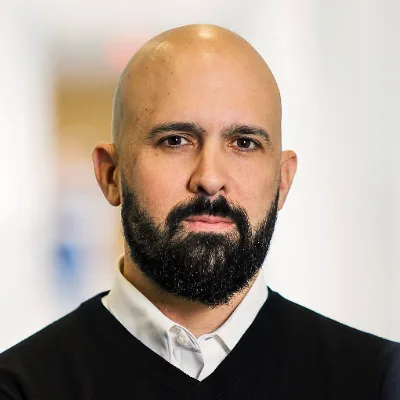
Matthew L. MacDonald, PhD
Associate Professor of Psychiatry at the University of Pittsburgh
Matthew L. MacDonald, PhD
Associate Professor of Psychiatry at the University of Pittsburgh
Dr. Matthew MacDonald is an associate Professor of Psychiatry at the University of Pittsburgh. His research utilizes cutting-edge mass spectrometry-based proteomic approaches, in conjunction with microscopy and sequencing, to elucidate the molecular pathologies of Alzheimer Disease, schizophrenia, autism spectrum disorder, and other neuropsychiatric diseases.
He has over 20 years of experience in molecular investigations of human postmortem brain tissue in the context of psychiatric disease.
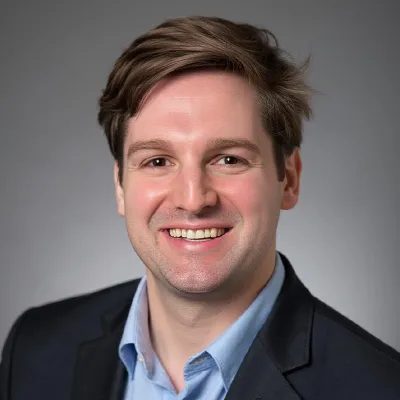
Joshua M. Krivinko, MD
Assistant Professor of Psychiatry at the University of Pittsburgh
Joshua M Krivinko, MD
Assistant Professor of Psychiatry at the University of Pittsburgh
Dr. Joshua Krivinko is an Assistant Professor of Psychiatry at the University of Pittsburgh, where he completed medical school, an adult psychiatry residency, a clinical fellowship in consultation-liaison psychiatry, and a postdoctoral research fellowship. He has authored numerous publications in the fields of aging and dementia in leading journals, including American Journal of Psychiatry, Molecular Psychiatry, and Alzheimer’s & Dementia: Translational Research & Clinical Interventions.
His research integrates animal models, human postmortem brain tissue, quantitative microscopy, and proteomics to identify molecular mechanisms underlying cognitive resilience and to discover and evaluate novel therapeutics for Alzheimer’s Disease and Related Dementias.
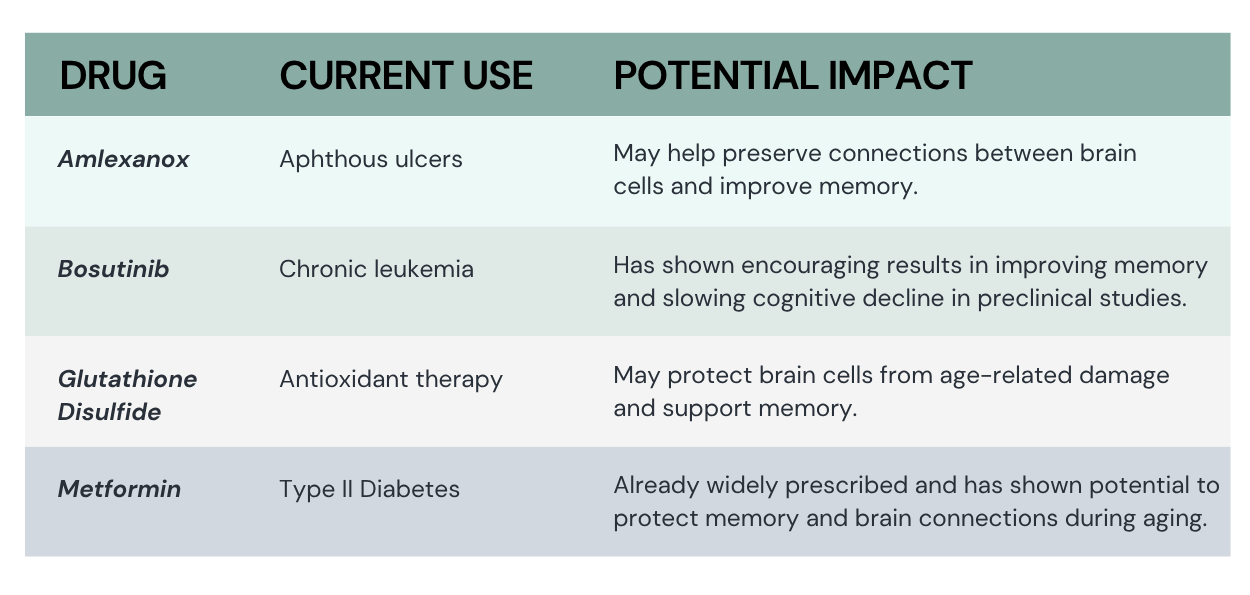
"We are honored and thrilled to be a part of the CTF Consortium and recieve funding from the Clear Thoughts Foundation. This generous support will allow us to continue advancing our mission: identifying safe and effective therapeutics that protect against cognitive decline in Alzheimer’s Disease and Related Dementias. We have identified four repurposed drugs that are safe for use and are predicted to target the proteins that may be driving dendritic spine loss during aging, thus having potential to protect against cognitive decline. Before these drugs can enter clinical trials, testing these drugs in a model system is required to confirm the predicted impact on brain protein levels and dendritic spines, enhancing the probability of success if tested in humans. We are sincerely grateful to the Foundation’s confidence in our work and its steadfast commitment to funding dementia research, and we look forward to the opportunities generated from this wonderful partnership."
-Dr. Joshua Krivinko, CTF Consortium Member
Summary of Current Research
Accelerating Drug Development by Protecting Brain Connections
What if the key to treating dementia isn't creating an entirely new drug but repurposing medications already in use for prevention? As we age, tiny connections between brain cells, called dendritic spines, naturally begin to disappear. These connections are essential for memory, learning, and communication within the brain and the loss of these connections is believed to contribute to cognitive decline across many forms of dementia. The CTF Consortium is focused on critical research to evaluate promising drug candidates in a specialized aging model, accelerating the search for drugs that could delay or prevent the onset of dementia.
After analyzing donated human brain tissue, the CTF Consortium was able to identify hundreds of proteins linked to the loss of brain connections and have discovered four FDA-approved/clinically established drugs that are predicted to protect against the loss of these brain connections and may have the potential to be repurposed for dementia prevention.
Did you know that developing a brand-new drug can take more than a decade and cost billions of dollars! By reanalyzing medications such as these that are already FDA approved, existing safety data can be used which can dramatically shorten the pathway to human clinical trials and save millions of dollars and years of time in repurposing a drug towards a viable dementia treatment option.

Research Goals
Over the next 18 months, the CTF Consortium will work to answer one important question: Can existing FDA-approved medications help protect the brain from the changes that lead to dementia?
To answer this question they seek to:
✔ Demonstrate that preserving connections between brain cells can slow cognitive decline.
✔ Identify additional FDA-approved medications that may protect the aging brain.
✔ Determine the safest and most effective dosing strategies for the most promising drug candidates.
✔ Generate the data needed to advance these therapies toward larger NIH-funded studies and, ultimately, human clinical trials.
Request for Proposal (RFP)
Our RFP for the 2026–2027 CTF Consortium funding cycle is now closed. Please check back periodically for the release of future RFP grant opportunities and thank you for your interest.
