
Reading Between the Headlines: How to Tell What Dementia News is Trustworthy
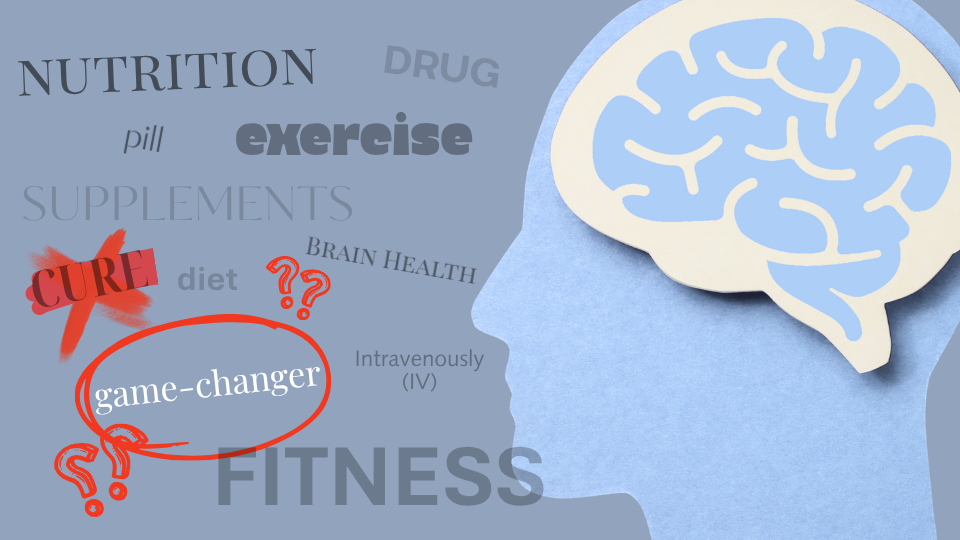
There is no shortage of headlines about dementia and Alzheimer’s research breakthroughs. Every few weeks, we hear that a new food, habit, supplement, or drug might prevent, reduce your risk, or even cure dementia. It is hopeful, attention-grabbing, and easy to share… but the reality behind those headlines is often far more nuanced.
It is important to remain aware that most dementia research does not produce instant answers—rather small, incremental steps to build upon. A single study might suggest a connection between two things but that doesn’t mean one causes the other. Early findings are frequently based on animal models or small populations, and while vital to progressing treatments forward, they are the beginning of a much longer scientific process. For a discovery to reach patients with an impactful outcome, it must be tested, challenged, and refined over many years.
Another challenge is how research gets communicated. Press releases and media coverage can unintentionally amplify early findings, making them sound more definitive with a ‘one-size-fits-all’ treatment just around the corner. Genetics, lifestyle, environment, and overall health can all influence how dementia appears and progresses from person to person. That’s why research studying diverse populations with results repeated across different groups is considered most reliable—which can be slower than expected and marked with unanticipated setbacks.
This doesn’t mean progress isn’t happening… it absolutely is! But rather it is happening in a way that is steady, cumulative, and sometimes messy. Conflicting studies are part of the process and not a sign that science is failing. Each piece of research adds to a broader understanding, helping scientists refine questions, improve methods, and get closer to meaningful answers.
So… how can you tell if a dementia headline is trustworthy?
- Check what kind of study it is… human studies are typically a sign of further progressed research.
- Look for words like ‘might’ or ‘linked to’… these usually mean correlation, not causation. A study showing a link does not mean one thing actually prevents or causes dementia.
- See if it is a single study or part of a bigger body of research… more confidence comes when multiple studies with multiple researchers point in the same direction.
- Check the source of the information… is it reporting on research from a reputable journal or organization, or just summarizing another news article? The closer to the original research source, the better.
- Notice who was studied… results from small or very specific groups may not apply broadly.
For those supporting dementia research, retaining this perspective matters. It reminds us that what we are investing in isn’t a single “big breakthrough,” but a system of collaborative and incremental discovery. Every study and every trial contributes to the larger effort across the field. Vital and meaningful progress may not always make headlines, but that doesn’t diminish its efficacy or impact—and only further highlights the importance of its dependance upon sustained support.
That’s why we know that continued funding for research is so important. The work being done today lays the foundation for tomorrow’s advances, even if those advances do not appear immediate. When we remain steadfast in our support of research, we’re helping move everyone closer—step by step, study by study—towards a world free of dementia.